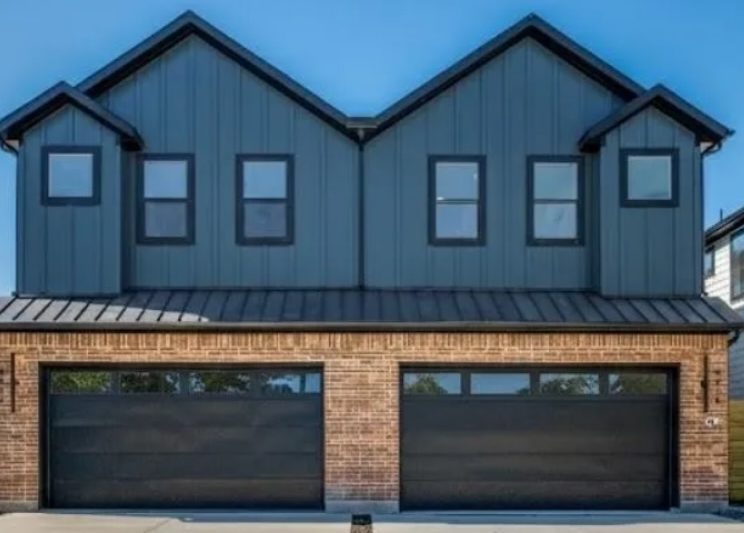
Down Payment Assistance in Dallas–Fort Worth: Which Programs Exist, Who Qualifies and What to Watch For

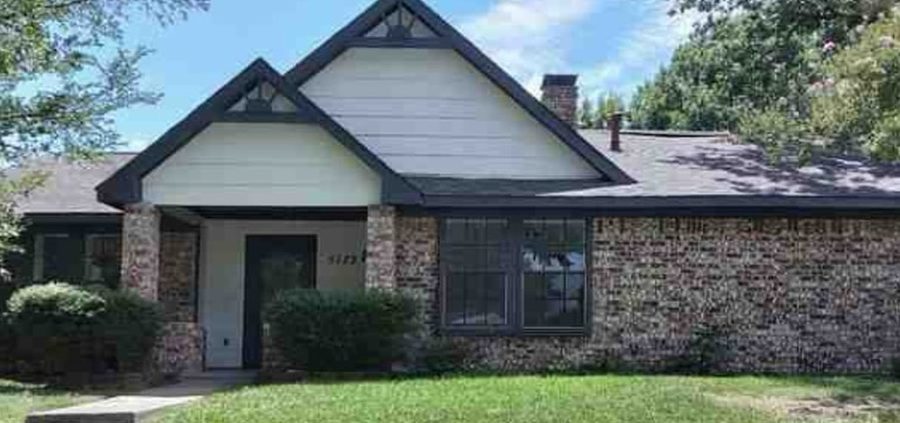
Yes. Buyers across Dallas–Fort Worth can get help with the down payment and closing costs from statewide programs (TSAHC and TDHCA), some city programs such as the Dallas Homebuyer Assistance Program, and lender programs. Most have income limits, some have price limits, many are a second loan rather than free money, and all go through an approved lender. Limits and amounts change, so I check the current terms for your file before you write an offer.
Key takeaways
- Start with the statewide programs. TSAHC (Homes for Texas Heroes, Home Sweet Texas) and TDHCA (My First Texas Home, My Choice Texas Home) cover the whole metroplex.
- City programs depend on the address. The Dallas program is for homes inside Dallas city limits, not for Garland, Rockwall or Prosper.
- Ask how it is paid back: a grant, a forgivable second loan, or a second loan you repay when you sell or refinance.
- Expect extra steps: income and price limits, a homebuyer education course, an approved lender and a little more time to close.
- I check the programs and the lenders together, so you see the payment with and without help before you choose.
Is there really down payment help in Dallas–Fort Worth?
Yes, and more of it than most first-time buyers expect. The question I hear most is some version of "Does Dallas have first buyer assistance?" or "Are there any first home grants in the Keller area?" The honest answer is that the help exists in layers: statewide programs that work almost anywhere in Texas, a few city and county programs tied to an address, and programs that individual lenders run themselves.
The catch is that each layer has its own rules. One program cares about your job, another about your income, another about where the house sits. A buyer in Lewisville and a buyer in Mansfield with the same income can end up with different options.
Here is what I walk through with every buyer who asks about assistance:
- Which programs you might qualify for based on income, household size, job and whether you have owned a home before.
- Which loan it pairs with: FHA, conventional, VA or USDA.
- How the money is paid back, if at all.
- Which lenders accept the program, because you can only use it through a participating lender.
- What it costs you compared with the same loan without help.
If you are just starting out, my first-time home buyer guide for Dallas–Fort Worth covers the whole process. This guide stays on the money for the down payment.
Which Texas programs should I check first?
Two state agencies run the programs that cover the whole metroplex, from Prosper to Mansfield. They are the first thing I check because they do not depend on which city you buy in.
TSAHC: Homes for Texas Heroes and Home Sweet Texas
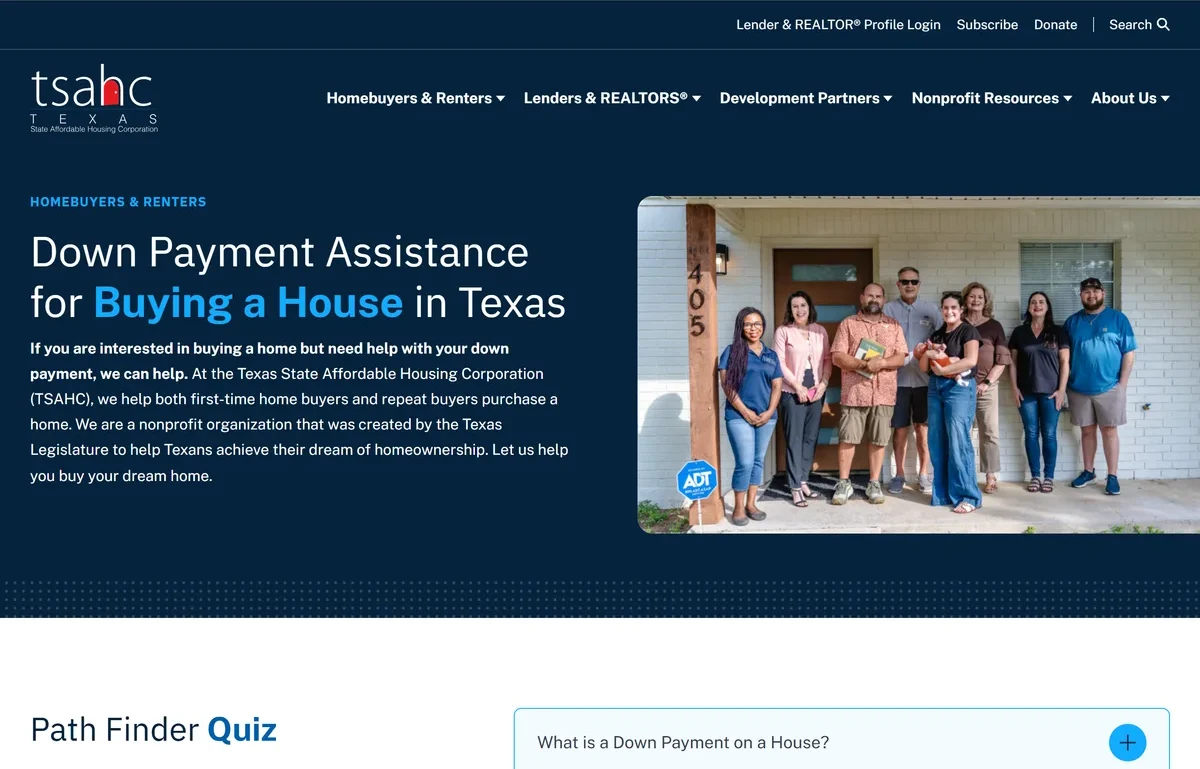
The Texas State Affordable Housing Corporation (TSAHC) is a nonprofit created by the Texas Legislature. It helps both first-time and repeat buyers, and it runs two home loan programs:
- Homes for Texas Heroes is for people in hero professions. TSAHC lists full-time public school teachers, teacher aides, school librarians, counselors and nurses; police and public security officers; firefighters and EMS personnel; veterans and active military; corrections officers; and nursing and allied health faculty.
- Home Sweet Texas is for buyers who do not fit one of those professions.
TSAHC says its assistance can come in three forms: a grant that never has to be repaid, a deferred forgivable second loan that is forgiven if you stay in the home for a set period, or a deferred second loan you repay when you sell, refinance or pay off the first mortgage. You apply through a participating lender, not through TSAHC directly.
TDHCA: My First Texas Home and My Choice Texas Home
The Texas Department of Housing and Community Affairs (TDHCA) runs its own set. My First Texas Home is for first-time buyers, with exceptions for qualified veterans and for homes in certain targeted areas. My Choice Texas Home does not require you to be a first-time buyer. Both pair a 30-year mortgage with down payment assistance, and both go through participating lenders.
Mortgage Credit Certificates
Both agencies also offer a Mortgage Credit Certificate (MCC) for first-time buyers. It is not cash at closing. It is a federal tax credit for part of the mortgage interest you pay each year, which can make the monthly budget easier. Income and price limits apply, so it goes on the same checklist.
Income limits, price limits, assistance amounts and rates for all of these change during the year. I do not quote them from memory. I pull the current terms for your county and your file.
Does Dallas have its own program, and what about the suburbs?
The City of Dallas has the Dallas Homebuyer Assistance Program (DHAP) for low- and moderate-income buyers. The home must be inside Dallas city limits, and the help has been structured as a deferred, forgivable loan with no monthly payment. The program's administrator and its funding have changed over time, and it has been closed to new applicants at points, so check its current status on the city's page before you count on it.
City limits matter more than the mailing address. A home with a Dallas mailing address can sit in another city, and a city program will not cover a home outside its boundary. So:
- If you are buying in Garland, Rockwall or Prosper, a Dallas program does not apply. We start with the statewide and lender options and then check whether that city or county has anything of its own that year.
- In Keller, Colleyville and North Richland Hills in Tarrant County, or Mansfield to the south, the same applies: state programs first, then a check of the local options for that address.
- In Lewisville and the rest of Denton County, some outlying addresses may also qualify for a zero-down USDA loan, which can matter more than a small grant.
Local programs open and close as their funding comes and goes. Some suburbs have none at all. Rather than promise a city grant that may not exist, I tell you what is open when you are ready to buy.
Are there programs for teachers, nurses, police and veterans?
Yes. A teacher buying in Richardson is a common case. Homes for Texas Heroes is built for that buyer, as long as the job meets TSAHC's definition (full-time in a public school district, for teachers) and the income and loan meet the program rules.
A few things to ask about if you are in one of those jobs:
- Your employer. Some school districts, hospitals and large employers offer their own home purchase benefit. Ask HR for the written terms: what it pays for, and whether leaving the job triggers repayment.
- Veterans: a VA loan already allows $0 down for eligible borrowers, with no monthly mortgage insurance. Assistance then is more about closing costs than the down payment.
- Stacking. Two programs on one purchase only works if both programs and the lender allow it. I check that before anyone promises it.
I started out as a loan officer closing for first-time buyers, teachers and veterans in Missouri and Kansas. One of my recent closings: a retired school teacher in Kansas City bought with just 1% down and ended up paying less than rent.
Not sure which program fits your job, income and city? Fifteen minutes on the phone, no credit pull, and you will know where to start.
Book 15 minutes with CraigHow does assistance work with FHA, conventional, VA and USDA?
Assistance never stands alone. It sits on top of a first mortgage, and both sets of rules have to line up. Here is how the four main loans compare.
What the table shows
| First mortgage | Minimum down payment for eligible buyers | Where assistance usually helps | What I check |
|---|---|---|---|
| FHA | 3.5% | The 3.5% down payment and closing costs | Whether the program accepts FHA, FHA mortgage insurance, the county loan limit, FHA property standards |
| Conventional | 3% on some programs, or 1% with lender-paid assistance for income-qualified buyers | The rest of the down payment and closing costs | Income limits, mortgage insurance under 20% down, whether lender help can be combined with outside help |
| VA | $0 | Closing costs and prepaid items | Whether the program accepts VA, the funding fee, VA property requirements |
| USDA | $0 in eligible areas | Closing costs and prepaid items | The address on the USDA map, household income under the area limit |
How to read it: if you are using FHA or conventional, assistance usually goes toward the down payment itself. With VA or USDA there is no down payment to cover, so help is mostly about the cash you still need for closing costs. The last column is the list I run for your file.
FHA loans are where I see assistance used most. FHA allows 3.5% down, flexible credit and gift funds for the down payment, so assistance plus a small gift can cover most of the cash. FHA does carry an upfront and an annual mortgage insurance premium. My calculator uses 1.75% upfront and 0.55% a year as an illustration, and I give you the real numbers for your file.
On the conventional side, most programs pair with a 30-year fixed mortgage, which keeps principal and interest the same for the life of the loan. If you can buy in a USDA-eligible area, the zero-down loan may beat a small grant on its own. You can compare all of them on my loan options page.
Is it a grant, or will I have to pay it back?
This is the question to ask first, because "assistance" covers three very different things.
- A grant. You do not repay it as long as you meet the program terms. Grants can come with a slightly higher rate on the first mortgage, so compare the payment, not just the cash.
- A forgivable second loan. It sits as a lien on the home with no monthly payment. It is forgiven if you stay in the home for the required period. Sell, refinance or move out before then, and some or all of it may be due.
- A repayable second loan. Usually no monthly payment, but the balance comes due when you sell, refinance or pay off the first mortgage. That money comes out of your proceeds when you sell.
I ask every client for a real 3–5 year plan for the home, not just a rate. If a job change might take you out of DFW in two years, a forgivable loan with a longer stay requirement may cost you more than it saves. If you plan to stay, it can be the cheapest money you will ever borrow.
What are the catches?
Assistance is real money, but it comes with strings. These are the ones that trip buyers up most often:
- Income limits. Most programs count household income, and the limit depends on the county and household size. Your raise or a co-borrower's income can push you over.
- Purchase price limits. Many programs cap the price, which matters in higher-priced suburbs like Colleyville or Prosper.
- First-time buyer rules. Some programs require it, some do not. "First-time" often has its own definition, so tell me about any home you have owned.
- Homebuyer education. Many programs require an approved course before closing. Take it early and keep the certificate.
- Approved lenders only. You can only use a program through a lender that participates in it.
- Credit minimums. Many lenders look for 620 or higher, and programs can set their own floor.
- A higher rate or fees. Some programs carry a slightly higher rate than the same loan without help.
- More time. Program review and funding confirmation can add days to the closing.
Will it slow down my closing?
It can. Most of my loans close in about 21 to 30 days, and my fastest recent purchase closed in 9 days. A file with assistance has extra steps: the education certificate, the program's own review and the funds arriving at title on time. I build those into the closing date before your agent writes the offer, not after. My guide on how fast you can close on a house in Dallas explains what moves a timeline.
Will sellers take my offer seriously?
Yes, when the preapproval is real. A preapproval that already accounts for the assistance tells the seller's agent the money is lined up. My guide to mortgage preapproval in Dallas–Fort Worth lists the documents to have ready.
How do I find out what I qualify for before I make an offer?
Do it in this order and you will not fall for a house you cannot close on:
- Book a 15-minute call. Where you want to buy, who is on the loan, your income, savings, job and whether you have owned before. No credit pull.
- Get preapproved. Apply online in about ten minutes. I review income, assets and credit and screen the programs at the same time.
- Compare with and without help. I show you the cash to close and the monthly payment both ways, side by side.
- Take the education course if the program requires it.
- Check each address. City limits, county, price limit and USDA eligibility, before your agent writes the offer.
- Budget the Texas extras. Property tax in many DFW cities runs about 2% of the value a year or more. Use my payment calculator to test a price, and file your homestead exemption with the county appraisal district after you move in.
If you are self-employed, programs still count your income, but the way it is figured differs. My guide for self-employed buyers in DFW covers that part.
Why work with Craig on down payment assistance?
Program lists are easy to find. Knowing which lender will actually close your file with the program attached is the hard part. As a mortgage broker at Edge Home Finance, I shop multiple lenders instead of one bank's menu, so a "no" from one lender is often not the final answer.
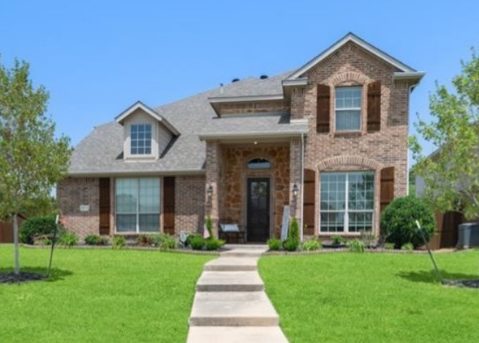
- Real results with assistance. For a first-time buyer in Prairie View, Texas, a program from one of my lenders covered both the down payment and the closing costs, with money left over to buy down the rate. You can see it with the rest of my recent closings.
- Every option on the table. I show you each program I checked, including the ones I do not recommend, and why.
- One person from first call to keys. You talk to me, not a call center. I keep you, your agent and the title company in the loop with a weekly update.
- Rated 5.0 from 24 reviews. David B. wrote that I "helped me find the lender that best fit my specific needs and goals. I never felt rushed."
I am a U.S. Naval Academy graduate and Navy officer veteran, and I have used my own VA loan more than once. Read more about me, or see the DFW cities I serve.

Ready to see what you qualify for? Book a 15-minute call, call me, or apply online in about ten minutes.
Questions buyers ask Craig
Do I have to be a first-time buyer to get down payment assistance in Texas?
Is down payment assistance free money?
Can assistance pay my closing costs too?
What are the income limits for down payment assistance in DFW?
Can I use down payment assistance with an FHA loan?
Is there a program for teachers in Richardson or elsewhere in DFW?
Do I need to take a homebuyer class?
Does down payment assistance make closing take longer?
Educational information, not a loan offer or commitment to lend. Programs, rates and guidelines change and depend on the lender and your full file; ask Craig for current terms. Craig Scott NMLS #2650008, Edge Home Finance LLC NMLS #891464. Equal Housing Opportunity.