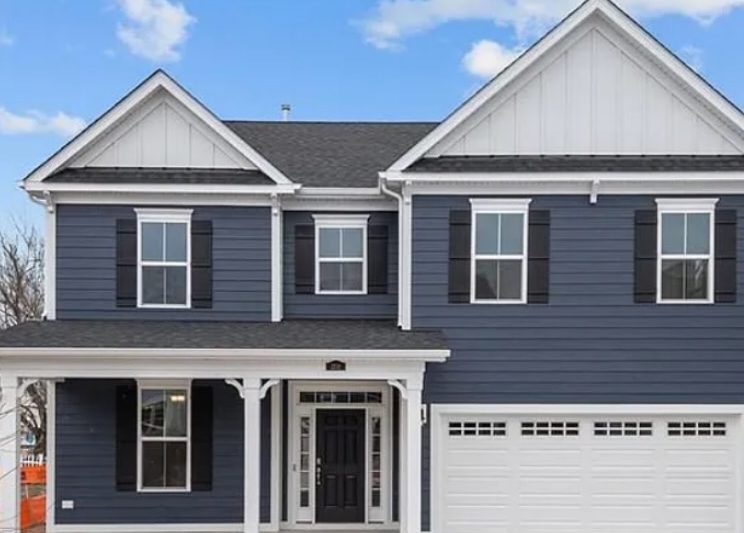
Investment property loans in Dallas–Fort Worth: DSCR, conventional, duplex and second homes

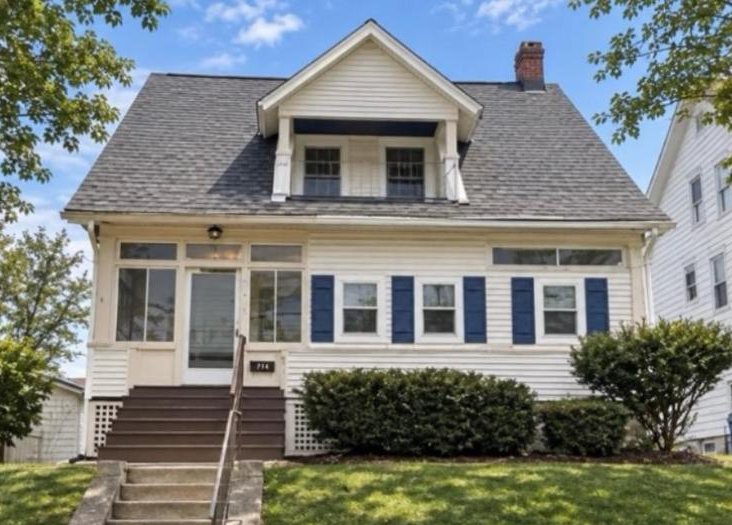
For a rental in Dallas–Fort Worth you have four main paths. A DSCR loan qualifies on the property’s rent, not your tax returns. A conventional investment loan qualifies on your own income. A duplex to fourplex you live in can use FHA or VA with far less down. A second home is for a place you use yourself, not a rental. Down payments and rates vary by lender; I quote yours after I see the file.
Key takeaways
- A DSCR loan compares the property’s rent with its full payment (principal, interest, taxes, insurance and any HOA). No W-2s or tax returns in most cases.
- A conventional investment loan usually prices better but counts your personal income and debts, and lenders often count only part of the rent.
- Living in one unit of a 2–4 unit property opens FHA and VA: the lowest down payments an investor can get.
- In DFW a rental gets no homestead exemption, so budget property tax on the full value. Many cities run about 2% a year or more.
- Investment pricing differs a lot between lenders. As a broker I shop your file with several of them instead of one bank’s menu.
Which loan fits a rental in South Dallas, Duncanville, Carrollton or Richardson?
It depends on how you want to qualify and whether you will live there, more than on the house. A three-bedroom in South Dallas, a starter home in Duncanville, a townhouse in Carrollton and a ranch house in Richardson can each be financed four different ways.
Here is how I sort it on a first call:
- You will not live there and you would rather not show tax returns: a DSCR loan.
- You will not live there and you have strong W-2 or well-documented income: a conventional investment loan, which often prices better.
- You will live in one unit of a duplex, triplex or fourplex: an owner-occupied loan, including FHA loans and, for veterans, VA loans.
- You will use the place yourself part of the year and not rent it out: a second-home loan.
I work with everyone “from first-time buyers to seasoned investors,” and I will tell you which of these fits and which don’t.
What the table shows
| Loan | How you qualify | Down payment (typical) | You live there? | A closing of mine like it |
|---|---|---|---|---|
| DSCR loan | The property’s rent vs. its full monthly payment | Larger than owner-occupied; varies by lender and by how well the rent covers the payment | No | Meadville, PA: fix-and-flip refinanced on the rent alone, $100,000 back |
| Conventional investment loan | Your income, debts and credit, plus part of the rent | Typically more than a primary home and more again for 2–4 units; varies by program | No | Quoted for your file |
| Owner-occupied 2–4 units (FHA or VA) | Your income; the other units’ rent can help | FHA from 3.5%; VA $0 for eligible veterans | Yes, in one unit | New Orleans, LA: VA duplex, tenant already in the other unit |
| Second home | Your income, debts and credit | Usually less than an investment property; varies by lender | Part of the year; not rented full time | Quoted for your file |
How to read it: start with the column “You live there?” That one answer rules out half the options. Then pick between proving your own income (conventional) and letting the rent do it (DSCR). Exact down payments and rates are set by each lender, so I quote them for your file instead of guessing here.
How does a DSCR loan work, and can I get one without tax returns?
DSCR stands for debt service coverage ratio. It is a simple division: the monthly rent divided by the monthly payment. The payment here means the whole thing, often written PITIA: principal, interest, property taxes, insurance and any association dues.
A quick illustration with round numbers, not a quote:
- Rent on a Duncanville three-bedroom: $2,000 a month.
- Full payment (PITIA): $1,800 a month.
- $2,000 ÷ $1,800 = a DSCR of about 1.11. The rent covers the payment with some room to spare.
A ratio of 1.0 means the rent just covers the payment. Above 1.0 is cash flow. Each lender sets its own minimum, and a stronger ratio usually means better pricing or a smaller down payment. Some lenders will go below 1.0 with more money down. That is one reason I shop DSCR files across lenders instead of taking the first answer.
So yes, a rental loan without tax returns is real. A DSCR lender looks at the property: the lease or the appraiser’s market rent, the appraised value, your credit and your cash reserves. It generally does not ask for W-2s, pay stubs or tax returns, and many DSCR lenders let you close in an LLC. If you are self-employed and your returns show big write-offs, this is often the cleaner path. My guide for self-employed buyers explains why write-offs shrink what a conventional lender will count.
The trade-offs: DSCR loans usually carry a higher rate than a conventional loan, need a larger down payment, and many have a prepayment penalty for the first few years. Read that section of the Loan Estimate before you sign anything.
A real one: the Meadville cash-out
One investor came to me with a finished fix-and-flip in Meadville, Pennsylvania. Instead of selling, they wanted to keep it as a rental and get their money back out. We refinanced it with a DSCR cash-out loan on the rent alone: no W-2s, no tax returns. The investor got $100,000 back, their initial investment, and kept a cash-flowing rental. The same structure works on a rehab in South Dallas or Grand Prairie once the work is done and the house is rented.
When is a conventional loan better for a Carrollton or Richardson rental?
If you have steady, documented income and room in your budget, a conventional investment loan is often the lower-cost option. It qualifies you the way a home loan does: your income, your existing debts, your credit score and your reserves. The rental’s payment gets added to your debts, and part of the expected rent can be counted to offset it.
Lenders usually count only part of the rent, not all of it, to leave room for vacancy and repairs. On a purchase they use a signed lease or the appraiser’s rent estimate. Once you have owned rentals for a while, they read the rental section (Schedule E) of your tax returns. That is how a buyer in Allen can get a mortgage that counts rental income: the rent is real income, it just has to be documented the way the lender’s rules require.
Expect the lender to ask for cash reserves: money left in the bank after closing, measured in months of payments. The more financed properties you own, the more reserves most lenders want. If you are adding a third or fourth door, tell me how many mortgages you already have on the first call, because it changes which lenders fit.
It can be a 30-year fixed mortgage for a long hold, or an adjustable rate (ARM) if you plan to sell or refinance within a few years.
Send me the address, the rent and what you want to put down, and I will tell you which loan pencils out.
Book 15 minutes with CraigCan I buy a duplex with FHA or VA and rent out the other side?
Yes, as long as you live in one of the units. This is the lowest-cost way into rental property, and it is how a lot of investors start. On my Dallas–Fort Worth page I note that Garland and Mesquite have starter homes and small multi-family where FHA and VA can both work for owner-occupied 2–4 units. The same applies anywhere in DFW where you can find a duplex, triplex or fourplex.
- FHA: 3.5% down, with more flexible credit guidelines. A 3- or 4-unit FHA purchase also has to pass a rent test showing the property can largely carry itself.
- VA: $0 down for eligible veterans and service members, no monthly mortgage insurance. The tenant’s rent can help you qualify.
- 203(k): if the building needs work, an FHA 203(k) renovation loan rolls the purchase and the repairs into one loan, and it is open to owner-occupants of 2–4 units.
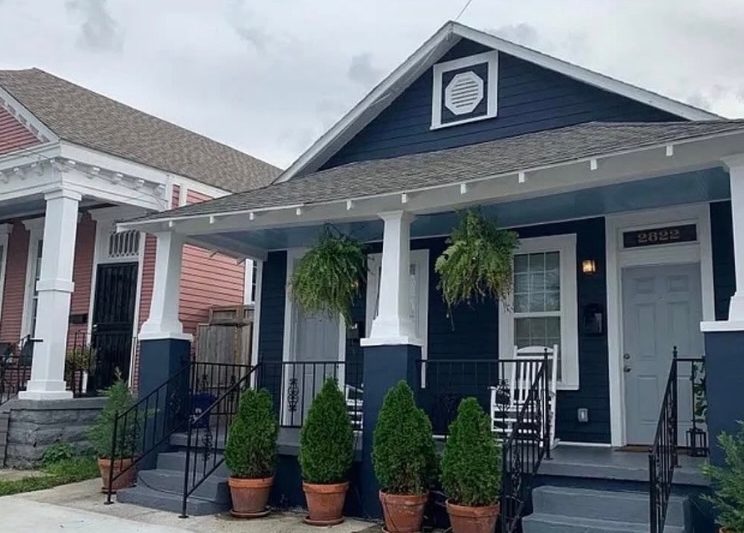
That New Orleans buyer is a good example of why this works. He bought with his VA benefit, moved into one side, and the tenant’s rent helps pay the mortgage. I teach veterans this exact strategy at NAREB North Texas: using the VA loan to buy multifamily. If you are a veteran, my first-time VA loan guide covers eligibility and entitlement.
The catch is honest occupancy. You have to move in and intend to live there. Later, when you move out, the property can usually stay a rental and you keep the loan.
Second home or investment property: what is the difference?
Lenders treat these as two separate things, and the difference is who uses the house. A second home is a place you use yourself for part of the year, like a lake house or a place near family. An investment property is one you rent out.
Second-home loans usually price better and need less down than investment loans, which is exactly why lenders check. A home you rent out full time is an investment property, whatever you call it, and calling a rental a second home to get a better rate is occupancy fraud. Not sure which bucket your plan fits? Ask me before you apply. Note too that physician loans are usually for a primary residence, not a rental.
How much down for an investment property, and what rate should I expect?
I won’t quote a single number here, because there isn’t one. Down payment and rate on an investment property depend on:
- The loan type: owner-occupied FHA or VA is lowest; conventional investment is higher; DSCR is often higher again.
- The number of units: 2–4 unit rentals usually need more down than a single-family rental.
- Your credit score: investment pricing steps up sharply as scores drop. My guide to the credit score you need to buy a house in Dallas covers what helps before you apply.
- The rent: on a DSCR loan, a stronger ratio can lower the rate or the down payment.
- The lender: investment loans are where pricing varies most from one lender to the next.
As a rule, investment property rates run higher than owner-occupied rates. So when someone asks me who to call about investment rates in Richardson, my answer is: ask several lenders for the same loan on the same day, then compare the Loan Estimates line by line. That is what I do for you as a broker. My guide on comparing mortgage rates and Loan Estimates shows what to look at, including points and prepayment terms. If you are weighing a broker against your own bank, I wrote about mortgage broker vs. bank in Dallas too.
How do I run the numbers on a DFW rental before I offer?
In Texas the line that sinks rental math is usually property tax. There is no state income tax, so property taxes do the work, and many DFW cities run about 2% of value a year or more. A rental gets no homestead exemption, because the exemption is only for the home you live in. So budget tax on the full appraised value, not on what the seller pays today if they lived there.
Before you write an offer in South Dallas, Duncanville, Grand Prairie, Carrollton or Richardson, look the address up on the county appraisal district’s site. It is free and takes a minute.
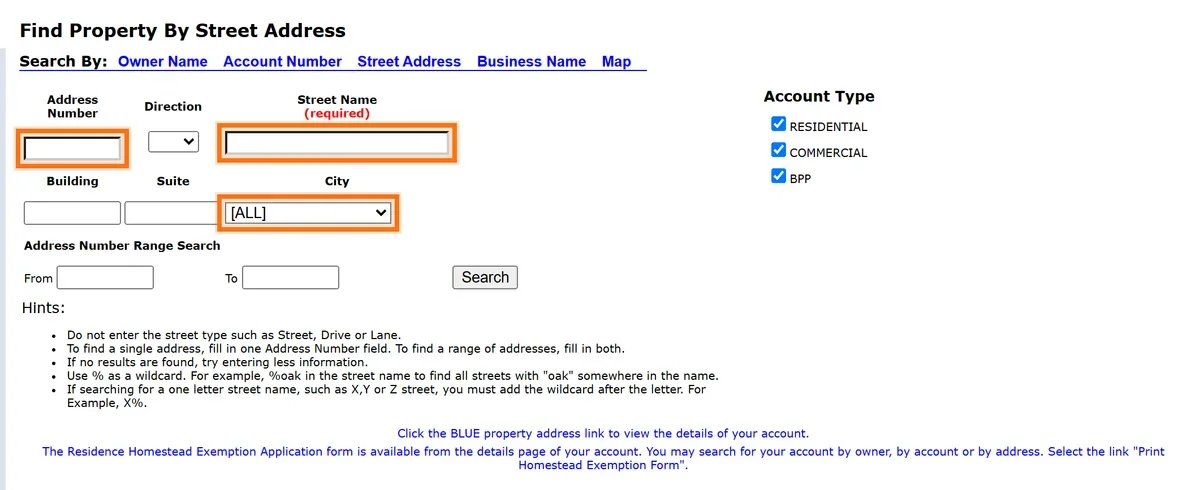
Two things to check on that page. First, the appraised value: your tax will be based on it. Second, whether the current owner has a homestead exemption. If they do, the tax bill you see in the listing will rise once the house becomes your rental. County lines matter too: parts of Carrollton sit in Denton or Collin County, parts of Richardson are in Collin County, Allen is in Collin County, and Grand Prairie reaches into Tarrant County. In those spots, use that county’s appraisal district instead.
Then build the full monthly cost:
- Principal and interest on the loan you are considering.
- Property tax on the full value, divided by twelve.
- A landlord insurance policy, not a regular homeowner’s policy.
- HOA dues, if any.
- A cushion for vacancy, repairs and management.
The payment calculator on my site lets you set your own property tax rate and insurance, so you can see the payment before you call me. It is an illustration, not a quote. Budget for closing costs in Texas on top of the down payment.
Can I pull cash out of a rental I already own?
Often, yes. This is the “refinance after the rehab” move: buy, fix, rent, then refinance to get your money back for the next one. The Meadville closing above is exactly that, done as a DSCR cash-out.
A Texas rule surprises people here. Texas caps a home-equity cash-out refinance at 80% of the value, with its own waiting periods. That rule is for your homestead, the home you live in. A rental is not your homestead, so the lender’s own cash-out limits apply instead, and they are often stricter for investment property. The 80% cap does apply if you live in one unit of a duplex, or if you pull cash from your own home to fund a rental’s down payment.
Lenders also have rules about how long you must own a property before a cash-out, and whether they use your purchase price or the new appraised value. Those rules vary a lot by lender. Tell me when you bought, what you put in, and what the house is worth now, and I will find a lender whose rules fit.
Why work with me on an investment loan?
I am a broker at Edge Home Finance, so I can take your rental to the lender whose DSCR rules, reserve limits or cash-out terms fit it, instead of fitting you into one bank’s menu. One lender’s no is often not the final answer.
- One person, start to finish. You talk to me, not a call center, from the first call to the closing table.
- Every option compared. DSCR, conventional and owner-occupied side by side, including the ones I don’t recommend, so you see why.
- Weekly updates to you and your agent until the file is clear to close.
- Real investor closings: the $100,000 DSCR cash-out in Meadville and the VA duplex in New Orleans are both on my recent closings page.
- A Navy veteran who has used his own VA loan in more than one state.
- 5.0 stars from 28 client reviews. My fastest recent closings were 9 days on a purchase and 4 days on a refinance when the file was ready.
If you are investing for the first time, start with a mortgage preapproval so sellers take your offer seriously. More about how I work is on my about page, and the full list of programs is on loan options.
What should I send you first?
To give you a real answer in one call, have these ready:
- The address or the area you are shopping: South Dallas, Duncanville, Carrollton, Richardson or anywhere else in DFW.
- Whether you will live in it, rent it out, or use it yourself part of the year.
- The expected rent, or the current lease if there is a tenant.
- How much you want to put down and how much you will have left in reserves.
- How many financed properties you own today.
- Whether you want to close in your name or an LLC.
Then start your application online, or call or text me. Fifteen minutes is usually enough to know which loan fits your next rental.
Questions buyers ask Craig
What does DSCR mean on a rental loan?
Can I get a rental property loan without tax returns in Dallas–Fort Worth?
Can I buy an investment property in an LLC?
Can I use a VA loan to buy a fourplex?
Does the Texas 80% cash-out limit apply to my rental?
Why are investment property rates higher?
Do you only work with investors in Dallas?
Educational information, not a loan offer or commitment to lend. Programs, rates and guidelines change and depend on the lender and your full file; ask Craig for current terms. Craig Scott NMLS #2650008, Edge Home Finance LLC NMLS #891464. Equal Housing Opportunity.